NATO Jet Incident Over Poland: Why Swedish Gripen Failed to Intercept Russian Missile
A Swedish pilot patrolling Polish airspace was authorized to shoot down a Russian cruise missile but was hindered by severe weather conditions.
 🧠AI Analysis
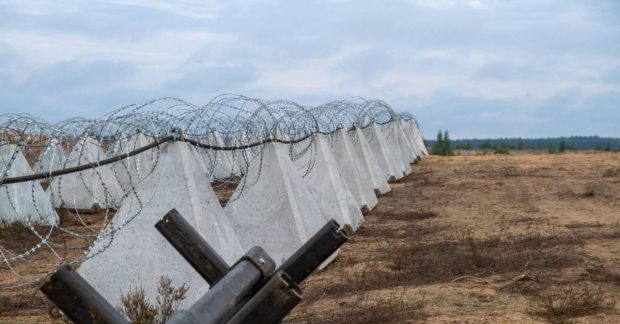
Photo: Ukrainska Pravda
Key points
- Gripen pilot had NATO authorization to engage the Russian missile
- Severe weather prevented visual and electronic identification of the X-101
- Poland and Ukraine successfully coordinated tracking data during the incident
During a recent massive aerial attack on Ukraine, several Russian objects violated Polish airspace. In response to the threat, NATO forces scrambled aviation, including Swedish Gripen fighters. Despite receiving direct authorization to destroy the target, the pilots were unable to intercept the Russian cruise missile, sparking a discussion about the effectiveness of air defense in low-visibility conditions.
According to General Ireneusz Nowak, Operational Commander of the Polish Armed Forces, the Swedish aircraft operated under the NATO Combined Air Operations Centre in Germany. The command issued a "condition-based order," allowing pilots to independently decide whether to open fire upon confirming a threat. This indicates a high level of Alliance readiness, though technical and natural factors intervened.
Technical Challenges and Target Identification
The object targeted for interception was preliminary identified as a Russian X-101 cruise missile. A pilot of one of the fighters attempted to intercept it but faced the impossibility of visual confirmation. "Extremely difficult atmospheric conditions", as noted by General Nowak, hindered both the human eye and the Gripen's onboard optoelectronic systems from accurately identifying the target for a guaranteed strike.
In total, the Polish military tracked 11 suspicious objects in the border zone. Three of them crossed the state border of Poland, though they caused no casualties or damage. The NATO operation involved not only fighters but also a Saab 340 early warning aircraft and Dutch tankers, highlighting the scale of resources deployed to protect the eastern flank.
The Russian attack was planned in two stages: first, using high-speed jet drones to exhaust air defenses, followed by the launch of Kalibr and X-101 missiles. The Polish side confirmed they had full information regarding launch sites and flight paths thanks to data sharing with Ukraine via the "Virazh" system. This underscores the importance of cross-border security cooperation, which directly impacts the safety of Ukrainian cities.
Source Ukrainska Pravda — pravda.com.ua/news/2026/11/21/8063930/ ↗
Read next
 🚨Events
Air Assault Forces Deny Reports of New Border Breakthrough in Kursk Region
The Command of the Air Assault Forces has officially denied social media rumors regarding an alleged new breakthrough by Ukrainian forces and the capture of a settlement …
 🏛️Politics
Debate over NABU's methods: SAP prosecutor highlights the agency's media team
SAP prosecutor Rostyslav Batih addressed criticism regarding the substitution of evidence with media campaigns, praising the professionalism of NABU's video editors.
 ⚽Sport
ATP Finals Review: Carlos Alcaraz Dominance and the Next Generation Outlook
Sports commentators summarize the end-of-season ATP tournament, highlighting the triumph of Spanish tennis player Carlos Alcaraz and the success of young athletes.
 🩺Health
Scientists Identify Two Age Milestones When Human Immunity Ages the Fastest
A new study reveals that the human immune system does not age gradually, highlighting two sharp decline periods around age 40 and after 60.
 🎭Culture & Sport
Historical Field Discovery: How a Random Find Revealed Secrets of King Alfred
Archaeological mysteries sometimes emerge from routine fieldwork, such as the discovery of a medieval English monarch's jewel during plowing.
 🇺🇦Ukraine
New Geography of Naval Threats: Explosions in Libya and Incidents with Russian Vessels Alter Moscow's Logistics
A powerful explosion aboard a Russian vessel in the Libyan port of Benghazi and a fire on a cargo ship in the Gulf of Finland highlight the global vulnerability of the Kr…