Microplastics in water: new study reveals hidden health risks
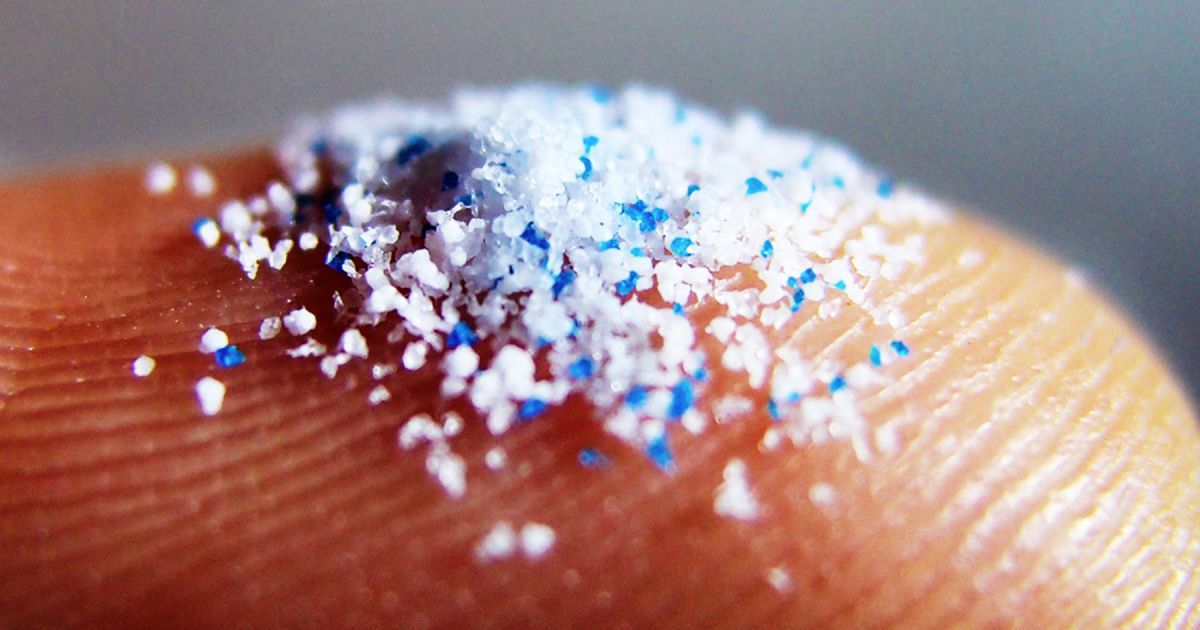
Scientists have discovered that microplastics in water are not just physical pollutants but can trigger chemical reactions that damage living cells.
 🏙️City
Photo: TSN
Key points
- Microplastics trigger chemical reactions when exposed to water.
- Reactive oxygen species from plastics can damage proteins and DNA.
- Polyethylene and polypropylene are the most chemically active plastics.
- Microwaving plastic containers increases the release of micro-particles.
Researchers from Columbia University and the University of California, Berkeley, have released findings regarding the hidden dangers of microplastics. The study indicates that plastic particles in water are chemically active and can initiate reactions that potentially harm biological structures.
How microplastics affect cells
The study found that reactive oxygen species (ROS) form on the surface of microplastics when they come into contact with water. These molecules are capable of damaging proteins and DNA. Experiments using mouse red blood cells demonstrated that exposure to plastic particles leads to cell deformation and rupture.
The team tested six common plastic types, including polyethylene, polypropylene, and PET. Polyethylene and polypropylene showed the highest level of chemical activity. Researchers emphasize that as plastic items break down into smaller fragments, their surface area increases, creating more sites for these harmful chemical reactions to occur.
Plastic in water is not just a passive particle, but a surface where active compounds can be generated.
Microplastics enter our environment through various daily activities, such as washing synthetic clothes, heating plastic containers in microwaves, and leaving water bottles in the sun. These processes accelerate the degradation of plastic, releasing tiny particles into our food and water supply.
Source TSN — tsn.ua/zdorovya/mikroplastyk-vyiavyvsia-nebezpechnishym-niz-vvazaly-shc… ↗
Read next
 🚨Events
Air Assault Forces Deny Reports of New Border Breakthrough in Kursk Region
The Command of the Air Assault Forces has officially denied social media rumors regarding an alleged new breakthrough by Ukrainian forces and the capture of a settlement …
 🏛️Politics
Debate over NABU's methods: SAP prosecutor highlights the agency's media team
SAP prosecutor Rostyslav Batih addressed criticism regarding the substitution of evidence with media campaigns, praising the professionalism of NABU's video editors.
 ⚽Sport
ATP Finals Review: Carlos Alcaraz Dominance and the Next Generation Outlook
Sports commentators summarize the end-of-season ATP tournament, highlighting the triumph of Spanish tennis player Carlos Alcaraz and the success of young athletes.
 🩺Health
Scientists Identify Two Age Milestones When Human Immunity Ages the Fastest
A new study reveals that the human immune system does not age gradually, highlighting two sharp decline periods around age 40 and after 60.
 🧠AI Analysis
Artificial Intelligence on the Battlefield: How Ukrainian Ground Robots Move Toward Autonomy
Ukrainian developers of ground robotic systems are actively implementing artificial intelligence elements to minimize dependence on operators and communication.
 🎭Culture & Sport
Historical Field Discovery: How a Random Find Revealed Secrets of King Alfred
Archaeological mysteries sometimes emerge from routine fieldwork, such as the discovery of a medieval English monarch's jewel during plowing.