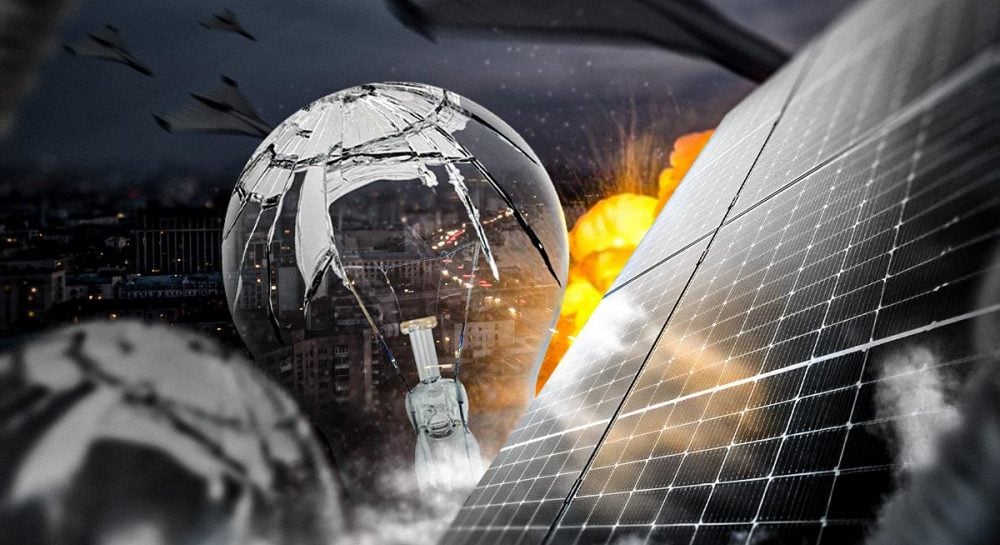
Solar panels in winter: will they save Nikopol residents from blackouts and what is the cost
Experts assess the performance of home solar power plants during winter and explain whether they can guarantee energy independence amidst power outages.
 🏙️City
Photo: UNIAN
Key points
- Winter solar generation decreases by up to 80% compared to summer.
- Hybrid inverters and battery storage are mandatory for backup power.
- Solar systems still provide essential baseline energy during overcast winter days.
Amid ongoing power grid disruptions, residents of Nikopol are increasingly exploring alternative power sources. While portable power stations and generators became essential items earlier, many households are now turning to rooftop and balcony solar panels to achieve greater energy self-reliance.
Realities of winter solar generation
However, industry experts warn that solar power generation drops significantly during the autumn and winter seasons. Due to shorter daylight hours, heavy cloud cover, and a lower sun angle, electricity production can fall by four to six times compared to summer peaks. According to Dmytro Sakaliuk from the NGO Ecoclub, a solar station can generate roughly 25 to 40 kWh per month per kilowatt of installed capacity between November and January.
Despite this drop, panels do not completely stop producing energy. Representatives from Modern Energy note that a 10 kW residential system in central regions typically generates around 300 to 450 kWh per month during these months, although output drops to near-zero on particularly overcast days.
What is required for a reliable backup setup
Specialists emphasize that installing solar panels alone is insufficient to combat severe winter blackouts. A robust backup setup requires a compatible hybrid inverter and battery storage units to retain generated power.
“The main task is not just to install more panels, but to properly calculate the entire system according to the household's needs,” stresses Ihor Lebediev, commercial director of Generation engineering company.
Since winter generation often falls short of covering daily consumption needs, engineers recommend designing systems that can also recharge batteries from the central grid when power is briefly restored.
Source UNIAN — unian.ua/economics/energetics/sonyachni-paneli-proti-zimovih-blekau… ↗
Read next
 🚨Events
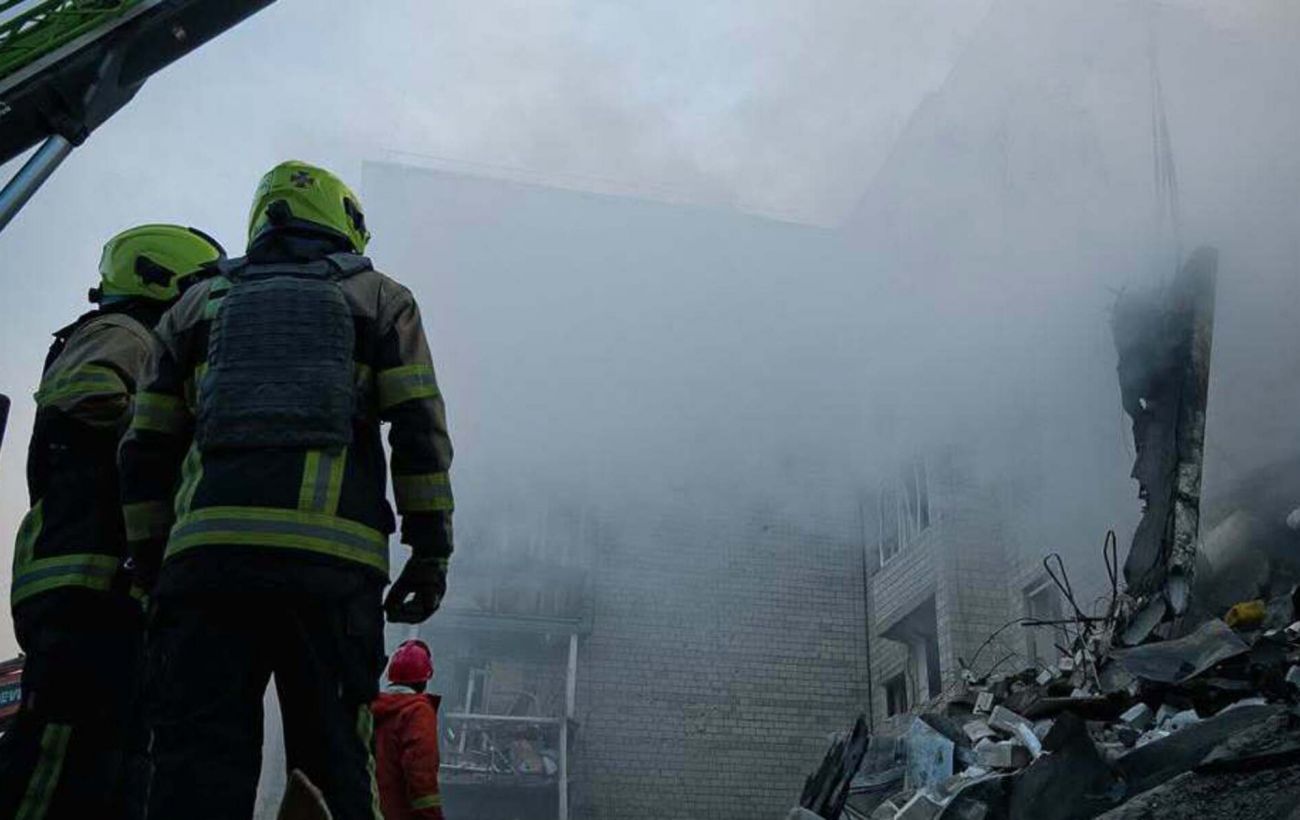
Search and rescue operations completed in Dymer following enemy attack: 11 dead
Rescuers have finished clearing the rubble of a residential building in Dymer struck by an enemy drone. The tragedy claimed 11 lives, including a child.
 🚨Events
Air Assault Forces Deny Reports of New Border Breakthrough in Kursk Region
The Command of the Air Assault Forces has officially denied social media rumors regarding an alleged new breakthrough by Ukrainian forces and the capture of a settlement …
 🏛️Politics
Debate over NABU's methods: SAP prosecutor highlights the agency's media team
SAP prosecutor Rostyslav Batih addressed criticism regarding the substitution of evidence with media campaigns, praising the professionalism of NABU's video editors.
 ⚽Sport
ATP Finals Review: Carlos Alcaraz Dominance and the Next Generation Outlook
Sports commentators summarize the end-of-season ATP tournament, highlighting the triumph of Spanish tennis player Carlos Alcaraz and the success of young athletes.
 🩺Health
Scientists Identify Two Age Milestones When Human Immunity Ages the Fastest
A new study reveals that the human immune system does not age gradually, highlighting two sharp decline periods around age 40 and after 60.
 🧠AI Analysis
Artificial Intelligence on the Battlefield: How Ukrainian Ground Robots Move Toward Autonomy
Ukrainian developers of ground robotic systems are actively implementing artificial intelligence elements to minimize dependence on operators and communication.